
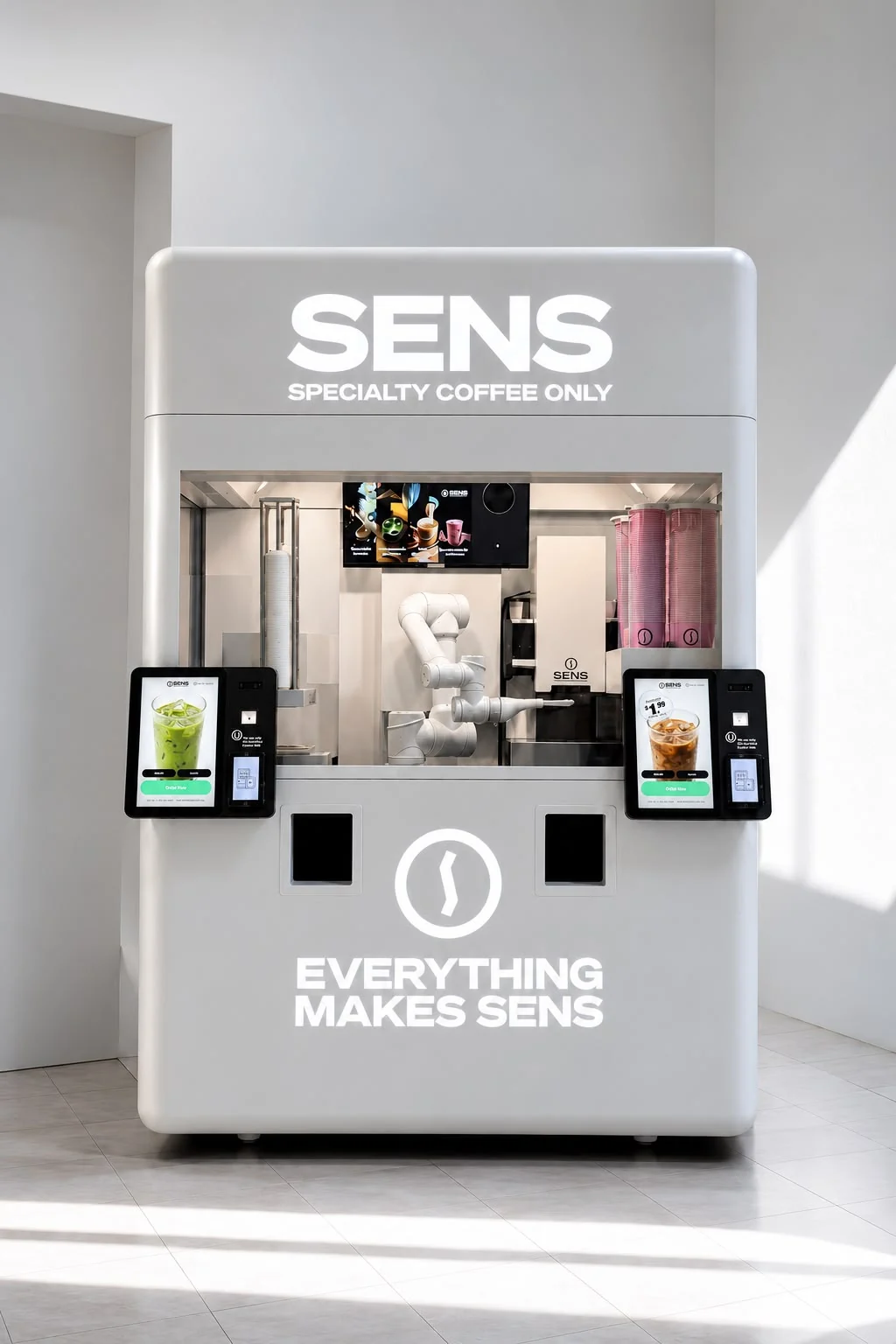
Equipment is the starting point
A robotic coffee kiosk combines drink preparation, a robotic arm, customer ordering and payment hardware within one unit. A useful equipment proposal identifies what is included, which options change the price and what the venue must provide.
Ask about the coffee system, milk and ingredient configuration, menu, cup storage, payment integration, software and service support. Review the configuration you will receive rather than comparing headline machine prices alone.
Plan the cost of opening
Separate the unit price from freight, customs where applicable, installation, commissioning and launch supplies. Site costs can include the property agreement, electrical work, water arrangements, signage, insurance and required approvals. These costs vary by location.
Before committing to a site, check access for delivery, floor loading, service clearance and how the unit will be replenished. A kiosk that fits the customer area still needs practical access for cleaning and repairs.
Include ongoing operating costs
A location-level operating plan should account for coffee and other ingredients, cups and lids, rent, payment processing, utilities, cleaning, replenishment, maintenance, insurance and applicable management or franchise charges.
Robotic drink preparation reduces the need for a dedicated barista at each order. It does not remove all service work. Assign responsibilities and costs clearly before projecting profit.
Choose who runs the location
With fully managed ownership, SENS handles the daily operations defined in the agreement and profit is shared under the agreed terms. Availability and responsibilities are reviewed for the proposed market.
An owner-operator manages daily service with the SENS platform and support. Compare the time you can commit, local service coverage and your operating experience. The appropriate model depends on your project.
Evaluate the location before forecasting returns
Use the location selection checklist to review demand, access and servicing before committing to a site.
Customer demand, operating hours, average transaction value and the property agreement affect the business as much as the equipment package. Consider who uses the venue, when they buy drinks and whether nearby alternatives serve the same demand.
Request a location-specific assessment with explicit sales and expense assumptions. Profit and payback are not guaranteed. Distinguish total location profit from the owner’s distribution after any agreed management share.
What to send with your enquiry
Include the city, venue type, proposed address if available, photos of the placement area and whether you want a managed or owner-operated location. If you already have a property agreement, tell us about access hours and the utilities available.
Explore the SENS RoboCafe equipment format and the SENS Spot storefront concept, then request a written proposal that separates equipment, launch and ongoing costs.
Build a plan for your market.
Share your target location and preferred operating model. We will discuss the equipment, service responsibilities and proposal for your project.
Request a consultation